
L-R: Ching Neng Bin, Boss Ng Kong Fah, Cheong Kiet Cheng, Hoo Kiew Hang, Ng Boon Chong, Cheng Yen Pheng, Fokky Wong TF, Chin Hong Beh, Tan Bong Kok, Tiak Tang at Chulabhorn Peace Village 10, Betong, Southern Thailand
I was invited by Boss Ng Kong Fah to
visit a communist camp and stayed with them for 3 days in Betong, South
Thailand. The MCP or CPM is celebrating a fruit festival in conjunction
with their 21st anniversary. Initially I was not interested in staying
with the communist because they were my father’s number one enemy during
the communist emergency, but later I decided to go and was glad I did.
Day 1 (19.08.2011) Sitiawan to Chulabhorn Peace Village No.10 和平村, Betong
Day 1 (19.08.2011) Sitiawan to Chulabhorn Peace Village No.10 和平村, Betong
The journey started with 2 cars from Sitiawan my hometown. We arrived in Ipoh at about 11 am and met up with 2 other cars from Kuala Lumpur making a total of 18 pax. At 1.30pm we arrived at Gerik for lunch before departing at 2.30pm. We crossed the border checkpoints at 3pm and into Betong by 4.15pm travelling 260km. From Betong it was another 28km to this Princess Chulabhorn Village No.10 - home to former MCP guerrillas and families on a hill top valley.
The 10th Malay Regiment, established 21 May 1949, was the only predominantly Malay regiment of the Malayan National Liberation Army (MNLA) is at Kampung Chulabhorn 12, or Ban Chulabhorn Patana 12 in Thailand located deep in a jungle with the nearest town Shukirin. Abdullah CD (real name Cik Dat bin Anjang Abdullah) is a Malaysian former politician who served as Chairman and General Secretary of the Communist Party of Malaya (CPM).
Sleeping in a 3 room house for RM50 a night at Chulabhorn Village 10.


At 1.30pm we arrived at Gerik for lunch at Yuet Meng restaurant before departing at 2.30pm.

Yuet Meng a wooden shop restaurant is the best place to eat in Gerik.

Yuet Meng a wooden shop restaurant is the best place to eat in Gerik.

We crossed the Betong border checkpoints at 3pm. Getting in and out a RM2 fee to be paid.

The large signboard on the uphill road to Chulabhorn Peace Village No.10 和平村, Betong.

Chulabhorn Peace Village No.10. Once a battleground for the Malayan Communist Party, Malaysian and Thai armed forces, these place have since been turned into a peace village for tourists.

Chulabhorn Peace Village No.10. Once a war zone, now a tourist spot for those who want to learn history.

The nice guesthouses for visitors at the Chulabhorn Peace Village No.10 和平村, Betong.

The only sundry shop cum restaurant at Chulabhorn Peace Village No.10 和平村.
Chulaphorn Village No.10. - When we arrived at the village it was raining, so we took shelter at the only sundry shop cum restaurant. We were surprised that there were durians for us to eat (foc) while waiting for the rain to stop. When the rain stopped we walked around the village and visited a new museum nearby. We then put our bags in the house where we stayed for two nights and came back to the restaurant for dinner and talked to an elderly former MCP guerrilla.

Chulabhorn Village No.10 is now home to former MCP guerrillas surrounded by fruit orchard on a hill top.

This durian is the ChaNee variety - sweet golden creamy yellow flesh at Chulabhorn Village No.10

This durian is the ChaNee variety - sweet golden creamy yellow flesh at Chulabhorn Village No.10

The newly built Museum of CPM History at Chulabhorn Village No.10 in Betong.

The newly built Museum of CPM History at Chulabhorn Village No.10 in Betong.

Photographs on display at Museum of CPM History, Chulabhorn Village 10 in Betong.

Musical equipments on display at Museum of CPM History, Chulabhorn Village 10 in Betong.

Medical equipments on display at Museum of CPM History, Chulabhorn Village 10 in Betong.

Radio communication equipments on display at Museum of CPM History, Chulabhorn Village 10 in Betong.

Guns on display at Museum of CPM History, Chulabhorn Village 10 in Betong.

Guns on display at Museum of CPM History, Chulabhorn Village 10 in Betong.

Chulabhorn Village has a set of musical instrument for their children to play at a big hall, how I wish my Cosmic Cowboy Band is here to entertain them - maybe next year!

We had very good dinner at Chulabhorn Village 10 restaurant.

Ching Neng Bin with an improvised durian opener, had been eating more durians after dinner with another friend at Chulabhorn Village 10.

A former guerrilla is the sundry shop operator and he specialized in radio communication at Chulabhorn Village 10.

This former MCP guerrilla Lao Chiang (Tang Ah Chee) at Chulabhorn Village 10, could have shot and killed my father in Simpang Tiga a district of Dindings, Perak during the 1950s Malayan Emergency.
We were all having some beer in the Chulabhorn Village restaurant when an old man (pic above) came in and sat with us. He quickly started a conversation with us in Hockchew (Fuzhou 福州人) when he noticed that some of us were speaking Hockchew. He was a former MCP guerrilla who happened to be also from Sitiawan and he used to stay in my grandparent’s village of Simpang Tiga. His name is Lao Chiang (Tang Ah Chee) who is now 82 years old and in good health. He wrote his Chinese name below:

Lao Chiang (Tang Ah Chee) said that he joined MCP at aged 23 and then spent the next 39 years in the jungle – the first few years was against the Japanese, the British colonial authority and later against the post Merdeka Government. The 39 years in the jungle he had shot 3 tigers and one elephant and had eaten them together with his comrades. He also said that he had shot and killed many of the Malayan soldiers and some policemen. He rose to the rank of an assistant commander in his unit.
Lao Chiang (Tang Ah Chee) then continued to talk about his hometown Simpang Tiga and the people he knew back then in the 1950s. That was when he mentioned about my grandparents and my father's name was mentioned. I suddenly felt numb all over my body and kept very quiet throughout the conversation.
Lao Chiang (Tang Ah Chee) knew exactly what my father was working then in 1944. Firstly, my father at the young age of 19 joined the Malayan People’s Anti-Japanese Army (MPAJA) in 1944 for 2 years after a class mate of his was killed by Japanese soldier during the Japanese Invasion of Malaya. My father then joined the British guerrilla Force 136 and later the Special Branch of the Malayan Police after the world war until his retirement in 1973.
Lao Chiang (Tang Ah Chee) then continued to talk about his hometown Simpang Tiga and the people he knew back then in the 1950s. That was when he mentioned about my grandparents and my father's name was mentioned. I suddenly felt numb all over my body and kept very quiet throughout the conversation.
Lao Chiang (Tang Ah Chee) knew exactly what my father was working then in 1944. Firstly, my father at the young age of 19 joined the Malayan People’s Anti-Japanese Army (MPAJA) in 1944 for 2 years after a class mate of his was killed by Japanese soldier during the Japanese Invasion of Malaya. My father then joined the British guerrilla Force 136 and later the Special Branch of the Malayan Police after the world war until his retirement in 1973.
Lao Chiang (Tang Ah Chee) said that at one point in time had he gathered enough of manpower he would have killed my father in Simpang Tiga. However, he had to escape that very night as my father was also after him. He also said that had my father captured him, my father would be highly rewarded by the British. By this time, I turned pale, terrified and was shocked but kept my eyes at him.
Before the conversation ended, Lao Chiang (Tang Ah Chee) said that the past is past and that he had laid down arms under the 1989 peace accord signed between the MCP and both the Malaysian and Thai governments. He also said that he had forgiven my father and all the people involved during the bloody struggle. When he mentioned that he would like to meet my father if he was still alive, I suddenly made known to him that I am his son and that my father had died of heart attack in 1999.
Before the conversation ended, Lao Chiang (Tang Ah Chee) said that the past is past and that he had laid down arms under the 1989 peace accord signed between the MCP and both the Malaysian and Thai governments. He also said that he had forgiven my father and all the people involved during the bloody struggle. When he mentioned that he would like to meet my father if he was still alive, I suddenly made known to him that I am his son and that my father had died of heart attack in 1999.
Lao Chiang (Tang Ah Chee) was so shocked for a moment and quickly stood up, hug me and held my hands tightly and said that there is nothing to fear or animosity and that we could be friends forever. He kept on saying sorry to me for talking about my late father, and I said that I understood the feelings.
I suddenly felt so relieved with the meeting and glad that I have met face to face with my father's number one enemy. My friends also felt the same. The meeting ended at about 12 midnight before we walked back to sleep.

Lao Chiang (Tang Ah Chee) and Ching Neng Bin became best of friend after-all and he invited us to come back next year.
Lao Chiang (Tang Ah Chee) continued to brief us his story about the MCP as follows: The MCP which was predominantly Chinese had a Malay regiment and several Indians and even an Orang Asli unit. Well established in 1930 and its aim was to overthrow the British colonial government and to establish an independent People’s Republic of Malaya.
During World War II (1939-45) the MCP and the British waged a common armed struggle against the Japanese occupiers in 1941 and with the creation of an anti-Japanese army in 1943; the MCP played a prominent role in driving the aggressors out of Malaya.
Three months before the Japanese attacked Malaya the British Government in England sent Lieutenant Colonel Spencer Chapman to Singapore with the intention to train a special force called 136. And just before the Japanese attacked the colonial authority accepted to train 165 Communists at 101 Special Training School in Singapore and they became the core of the Malayan People's Anti- Japanese-Army (MPAJA) which in 1943 came under the command of British Force 136. Colonel Chapman stayed behind with the Communists throughout the Japanese occupation of 3 years and 8 months. He was the military instructor of the MPAJA and Chin Peng alias Ong Boon Hua was with him.
After the war in 1947 a united national liberation front was created on the initiative of the MCP to oppose the restoration of the British colonial system in Malaya.
On 16 June 1948, the colonial government declared a state of emergency after 3 English planters were killed by the communist. The MCP went underground and began an armed struggle. In 1949 the MCP created the Malayan People’s Liberation Army.
Chin Peng alias Ong Boon Hua the Secretary General of MCP became the most wanted man by the British until the peace accords in 1989 and ironically, not long before the emergency he was awarded an OBE – Order of the British Empire, the highest honour for fighting against the Japanese in World War 2.
In 1989, Thailand, Malaysia and CPM signed a peace agreement in Haadyai, where the parties agreed to end armed conflicts within the region. Among other things, the agreement promised citizenship to former party leaders and members, immunity from ISA detention and the freedom to engage in politics and form a political party of their own within the confines of the Federal Constitution.
In 1989 there were almost 1,200 members. More than 300 former comrades returned home to Malaysia as agreed under the terms of the agreement. The rest remained in Thailand and settled into villages funded by the Thai government under the patronage of the Thai Princess Chulabporn. There are 4 peace villages in all: Chulabporn Village No.9 in Banlang and No.10 in Betong are predominantly Chinese while No.11 and 12 near Narathiwat are former Malay regiment of the MCP.

All 18 of us slept in a 3 room house for RM50 a night at Chulabhorn Village 10.

Lao Chiang (Tang Ah Chee) and Ching Neng Bin became best of friend after-all and he invited us to come back next year.
Lao Chiang (Tang Ah Chee) continued to brief us his story about the MCP as follows: The MCP which was predominantly Chinese had a Malay regiment and several Indians and even an Orang Asli unit. Well established in 1930 and its aim was to overthrow the British colonial government and to establish an independent People’s Republic of Malaya.
During World War II (1939-45) the MCP and the British waged a common armed struggle against the Japanese occupiers in 1941 and with the creation of an anti-Japanese army in 1943; the MCP played a prominent role in driving the aggressors out of Malaya.
Three months before the Japanese attacked Malaya the British Government in England sent Lieutenant Colonel Spencer Chapman to Singapore with the intention to train a special force called 136. And just before the Japanese attacked the colonial authority accepted to train 165 Communists at 101 Special Training School in Singapore and they became the core of the Malayan People's Anti- Japanese-Army (MPAJA) which in 1943 came under the command of British Force 136. Colonel Chapman stayed behind with the Communists throughout the Japanese occupation of 3 years and 8 months. He was the military instructor of the MPAJA and Chin Peng alias Ong Boon Hua was with him.
After the war in 1947 a united national liberation front was created on the initiative of the MCP to oppose the restoration of the British colonial system in Malaya.
On 16 June 1948, the colonial government declared a state of emergency after 3 English planters were killed by the communist. The MCP went underground and began an armed struggle. In 1949 the MCP created the Malayan People’s Liberation Army.
Chin Peng alias Ong Boon Hua the Secretary General of MCP became the most wanted man by the British until the peace accords in 1989 and ironically, not long before the emergency he was awarded an OBE – Order of the British Empire, the highest honour for fighting against the Japanese in World War 2.
In 1989, Thailand, Malaysia and CPM signed a peace agreement in Haadyai, where the parties agreed to end armed conflicts within the region. Among other things, the agreement promised citizenship to former party leaders and members, immunity from ISA detention and the freedom to engage in politics and form a political party of their own within the confines of the Federal Constitution.
In 1989 there were almost 1,200 members. More than 300 former comrades returned home to Malaysia as agreed under the terms of the agreement. The rest remained in Thailand and settled into villages funded by the Thai government under the patronage of the Thai Princess Chulabporn. There are 4 peace villages in all: Chulabporn Village No.9 in Banlang and No.10 in Betong are predominantly Chinese while No.11 and 12 near Narathiwat are former Malay regiment of the MCP.

All 18 of us slept in a 3 room house for RM50 a night at Chulabhorn Village 10.
Day 2 (20.08.2011) Chulabhorn Peace Village No.10 和平村, Betong.
The second day was eating durain for breakfast, lunch, tea-time, dinner and supper. As we woke up at 7am, there were durians at our door for breakfast. We went to Betong for the famous dim-sum and then visited the Piyamit underground tunnel and the hot spring before driving back to Betong for lunch. Came back to the village for the durian feast from 3pm until 12 midnight. A grand dinner was held for the MCP 21st anniversary followed by a cultural show.

Sleeping in this 3 room house for RM50 a night at Chulabhorn Village 10.

As we woke up at 7am Chulabhorn Village 10, there were durians at our door for breakfast.

As we woke up at 7am Chulabhorn Village 10, there were durians at our door for breakfast.

The famous clock tower in Betong.

Grand Mandarin Betong Hotel in Betong.

The Betong Mongkhonrit Tunnel is a curved tunnel, 268 metres long, connecting the town centre with a newer part of the town to the South-East opened on 1 January 2001.

This corner-shop beside the tunnel called Tai Xee Hee has the best dimsum in Betong.

Look at how much our Fokky Wong ate them all...

The Biggest Mailbox in Thailand built in a larger size (nine meters tall) is located at the Betong City Convention Hall (Sala Prachakhom).

The beautiful arch along the road to Betong Piyamit Tunnel.

A rest place and view point along the road to Betong Piyamit Tunnel.

A songthaew is a passenger vehicle adapted from a pick-up or larger truck and used as a share taxi or bus.

Walking up the main road entrance to Betong Piyamit Tunnel.

A symbol of peace at the entrance garden to Betong Piyamit Tunnel.

Ching Neng Bin at the Betong Piyamit Tunnel entrance gate and the fee is RM5 per pax.

The Piyamit Tunnel is the Malaya Communist’s base build for Bombshells and storing food supplies. The Piyamit Tunnel was built in 1977 with the length of 1 KM and 5 to 6 feet wide. It took three months for excavation of 50 hard manships and there are 9 entrance exit paths.

To get to the actual entrance of Piyamit Tunnel, we walked up the steps that cut through the jungle over streams. The view was beautiful, with dense foliage on both sides and the air thick with the smell of jungle.

We walked up the steps that cut through the jungle over streams and creeks. The view was beautiful, with dense foliage on both sides and the air thick with the smell of jungle.

Nearing the Piyamit Tunnel, there is guard post where lookouts would have been stationed to warn the group of intruders.

A short briefing by former communist at a hall area with several exhibits about the Piyamit Tunnel. He shared with us on how life was at the camp back in the 70s, and how they had to dig the tunnel out of solid earth.

The main entrance to Betong Piyamit Tunnel.

Container for keeping food at Betong Piyamit Tunnel.

Underground store room at Betong Piyamit Tunnel.

Exit No.12 at Betong Piyamit Tunnel.

Work room at Betong Piyamit Tunnel.

Exit No.12 at Betong Piyamit Tunnel.

Exit No.12 at Betong Piyamit Tunnel.

Out of exit No.12 at Betong Piyamit Tunnel into the jungle below.

The Betong Piyamit Tunnel wild ginger flower.

The Betong Piyamit Tunnel wild ginger flower.

The Betong Piyamit Tunnel wild ginger fruit.

To Betong Hot Spring on the way back to Betong for lunch.

The Betong Hot Spring has no entrance fee.

The large dragon at Betong Hot Spring.

Ta Yean restaurant is the best place to eat Thai food in Betong.

Ta Yean restaurant is the best place to eat Thai food in Betong.

Ta Yean restaurant is the best place to eat Thai food in Betong.

Ta Yean restaurant is the best place to eat Thai food in Betong.

Came back to Chulabhorn Village 10 for the durian feast from 3pm until 12 midnight.

Different type of durians and other fruits on the house starting from 3pm at Betong Chulabhorn Village 10.

Different type of durians and other fruits on the house starting from 3pm at Betong Chulabhorn Village 10.

Different type of durians and other fruits on the house starting from 3pm at Betong Chulabhorn Village 10.

Different type of durians and other fruits on the house starting from 3pm at Betong Chulabhorn Village 10.

Ching Neng Bin holding the biggest durian 'king of fruit' at Betong Chulabhorn Village 10.

Wow, look at that golden yellow creamy firm durian flesh to be eaten by Ching Neng Bin at Chulabhorn Village 10.

The 7pm dinner at RM30pp commenced at the big hall with more than 70 tables at Chulabhorn Village 10.

More than 700 Malaysian and Thai ex-communist and friends attended the grand dinner at Chulabhorn Village 10.

The organising chairman delivering his speech at Chulabhorn Village 10 grand dinner function.

The organising chairman delivering his speech at Chulabhorn Village 10 grand dinner function.

Fokky Wong TF, Tan Bong Kok and Tiak Tang at Chulabhorn Village 10 grand dinner function.

Group singing by former comrades at Chulabhorn Village 10 grand dinner function.

Group dancing by former comrades at Chulabhorn Village 10 grand dinner function.

A guitar band by children of ex-communist playing at Chulabhorn Village 10 grand dinner function.

This Gerik Orang Asli headman once a MCP member with Ching Neng Bin at Chulabhorn Village 10 dinner function.

Boss Ng with the Gerik Orang Asli headman at Chulabhorn Village 10 dinner function.

This Gerik Orang Asli headman once a MCP member at Chulabhorn Village 10 dinner function.

This Gerik Orang Asli headman once a MCP member at Chulabhorn Village 10 dinner function.

With the Gerik Orang Asli children at Chulabhorn Village 10 grand dinner function.

Ching Neng Bin beside the Gerik Orang Asli women at Chulabhorn Village 10 dinner.

More than 50 Gerik Orang Asli attended the Chulabhorn Village 10 grand dinner function.

Artists and painters from Kuala Lumpur - Cheong Kiet Cheng, Hoo Kiew Hang, Ng Boon Chong, Cheng Yen Pheng.

More than 50 Gerik Orang Asli attended the Chulabhorn Village 10 grand dinner function.

More than 50 Gerik Orang Asli attended the Chulabhorn Village 10 grand dinner function.

Faces of Orang Asli 4th and 5th generations at Chulabhorn Village 10 grand dinner function.

Faces of Orang Asli 4th and 5th generations at Chulabhorn Village 10 grand dinner function.

Faces of Orang Asli 4th and 5th generations at Chulabhorn Village 10 grand dinner function.

Faces of Orang Asli 4th and 5th generations at Chulabhorn Village 10 grand dinner function.

Faces of Orang Asli 4th and 5th generations at Chulabhorn Village 10 grand dinner function.

Faces of Orang Asli 4th and 5th generations at Chulabhorn Village 10 grand dinner function.

Faces of Orang Asli 4th and 5th generations at Chulabhorn Village 10 grand dinner function.

Oops! This is Ching Neng Bin from Sitiawan, not an Orang Asli.

After dinner it was evening party with cultural shows at Chulabhorn Village 10.

Group singing at Chulabhorn Village 10 evening party and cultural shows.

Stick dance at Chulabhorn Village 10 evening party and cultural shows.

Anniversary cake dance performed by two former comrades at Chulabhorn Village 10 evening party.

Orang Asli and Thai dancing at Chulabhorn Village 10 evening party and cultural shows.

Orang Asli and Thai dancing at Chulabhorn Village 10 evening party and cultural shows.

Orang Asli singing performance at Chulabhorn Village 10 evening party.

Orang Asli singing performance at Chulabhorn Village 10 evening party.

Orang Asli singing performance at Chulabhorn Village 10 evening party.

Orang Asli singing performance at Chulabhorn Village 10 evening party.

Orang Asli singing performance at Chulabhorn Village 10 evening party.
The second day was eating durain for breakfast, lunch, tea-time, dinner and supper. As we woke up at 7am, there were durians at our door for breakfast. We went to Betong for the famous dim-sum and then visited the Piyamit underground tunnel and the hot spring before driving back to Betong for lunch. Came back to the village for the durian feast from 3pm until 12 midnight. A grand dinner was held for the MCP 21st anniversary followed by a cultural show.

Sleeping in this 3 room house for RM50 a night at Chulabhorn Village 10.

As we woke up at 7am Chulabhorn Village 10, there were durians at our door for breakfast.

As we woke up at 7am Chulabhorn Village 10, there were durians at our door for breakfast.
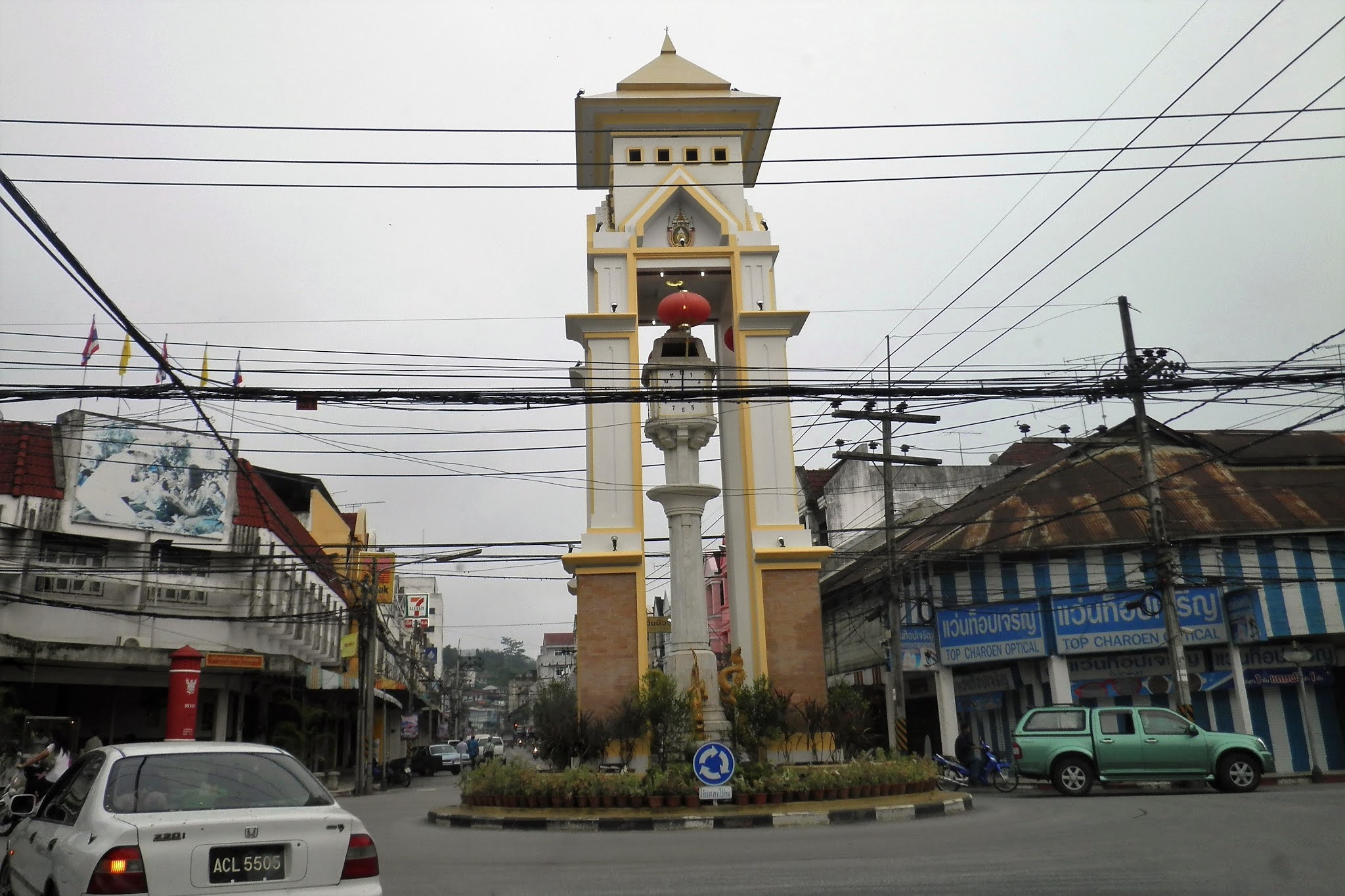
The famous clock tower in Betong.

Grand Mandarin Betong Hotel in Betong.

The Betong Mongkhonrit Tunnel is a curved tunnel, 268 metres long, connecting the town centre with a newer part of the town to the South-East opened on 1 January 2001.

This corner-shop beside the tunnel called Tai Xee Hee has the best dimsum in Betong.

Look at how much our Fokky Wong ate them all...

The Biggest Mailbox in Thailand built in a larger size (nine meters tall) is located at the Betong City Convention Hall (Sala Prachakhom).

The beautiful arch along the road to Betong Piyamit Tunnel.

A rest place and view point along the road to Betong Piyamit Tunnel.

A songthaew is a passenger vehicle adapted from a pick-up or larger truck and used as a share taxi or bus.

Walking up the main road entrance to Betong Piyamit Tunnel.

A symbol of peace at the entrance garden to Betong Piyamit Tunnel.

Ching Neng Bin at the Betong Piyamit Tunnel entrance gate and the fee is RM5 per pax.

The Piyamit Tunnel is the Malaya Communist’s base build for Bombshells and storing food supplies. The Piyamit Tunnel was built in 1977 with the length of 1 KM and 5 to 6 feet wide. It took three months for excavation of 50 hard manships and there are 9 entrance exit paths.

To get to the actual entrance of Piyamit Tunnel, we walked up the steps that cut through the jungle over streams. The view was beautiful, with dense foliage on both sides and the air thick with the smell of jungle.

We walked up the steps that cut through the jungle over streams and creeks. The view was beautiful, with dense foliage on both sides and the air thick with the smell of jungle.

Nearing the Piyamit Tunnel, there is guard post where lookouts would have been stationed to warn the group of intruders.

A short briefing by former communist at a hall area with several exhibits about the Piyamit Tunnel. He shared with us on how life was at the camp back in the 70s, and how they had to dig the tunnel out of solid earth.

The main entrance to Betong Piyamit Tunnel.

Container for keeping food at Betong Piyamit Tunnel.

Underground store room at Betong Piyamit Tunnel.

Exit No.12 at Betong Piyamit Tunnel.

Work room at Betong Piyamit Tunnel.

Exit No.12 at Betong Piyamit Tunnel.

Exit No.12 at Betong Piyamit Tunnel.

Out of exit No.12 at Betong Piyamit Tunnel into the jungle below.

The Betong Piyamit Tunnel wild ginger flower.

The Betong Piyamit Tunnel wild ginger flower.

The Betong Piyamit Tunnel wild ginger fruit.

To Betong Hot Spring on the way back to Betong for lunch.

The Betong Hot Spring has no entrance fee.

The large dragon at Betong Hot Spring.

Ta Yean restaurant is the best place to eat Thai food in Betong.

Ta Yean restaurant is the best place to eat Thai food in Betong.

Ta Yean restaurant is the best place to eat Thai food in Betong.

Ta Yean restaurant is the best place to eat Thai food in Betong.

Came back to Chulabhorn Village 10 for the durian feast from 3pm until 12 midnight.

Different type of durians and other fruits on the house starting from 3pm at Betong Chulabhorn Village 10.

Different type of durians and other fruits on the house starting from 3pm at Betong Chulabhorn Village 10.

Different type of durians and other fruits on the house starting from 3pm at Betong Chulabhorn Village 10.

Different type of durians and other fruits on the house starting from 3pm at Betong Chulabhorn Village 10.
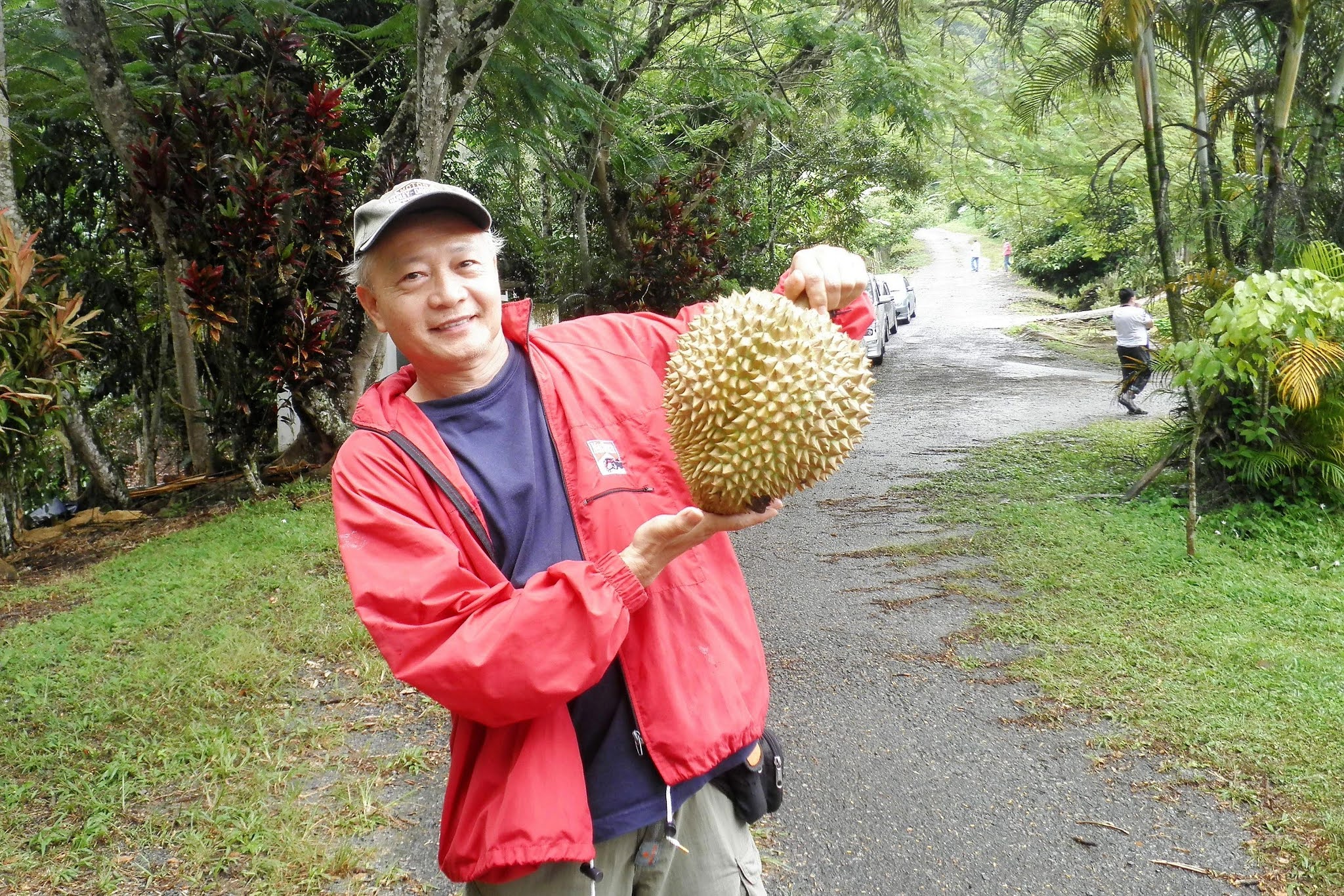
Ching Neng Bin holding the biggest durian 'king of fruit' at Betong Chulabhorn Village 10.

Wow, look at that golden yellow creamy firm durian flesh to be eaten by Ching Neng Bin at Chulabhorn Village 10.

The 7pm dinner at RM30pp commenced at the big hall with more than 70 tables at Chulabhorn Village 10.

More than 700 Malaysian and Thai ex-communist and friends attended the grand dinner at Chulabhorn Village 10.

The organising chairman delivering his speech at Chulabhorn Village 10 grand dinner function.

The organising chairman delivering his speech at Chulabhorn Village 10 grand dinner function.

Fokky Wong TF, Tan Bong Kok and Tiak Tang at Chulabhorn Village 10 grand dinner function.

Group singing by former comrades at Chulabhorn Village 10 grand dinner function.

Group dancing by former comrades at Chulabhorn Village 10 grand dinner function.

A guitar band by children of ex-communist playing at Chulabhorn Village 10 grand dinner function.

This Gerik Orang Asli headman once a MCP member with Ching Neng Bin at Chulabhorn Village 10 dinner function.

Boss Ng with the Gerik Orang Asli headman at Chulabhorn Village 10 dinner function.

This Gerik Orang Asli headman once a MCP member at Chulabhorn Village 10 dinner function.

This Gerik Orang Asli headman once a MCP member at Chulabhorn Village 10 dinner function.

With the Gerik Orang Asli children at Chulabhorn Village 10 grand dinner function.

Ching Neng Bin beside the Gerik Orang Asli women at Chulabhorn Village 10 dinner.

More than 50 Gerik Orang Asli attended the Chulabhorn Village 10 grand dinner function.

Artists and painters from Kuala Lumpur - Cheong Kiet Cheng, Hoo Kiew Hang, Ng Boon Chong, Cheng Yen Pheng.
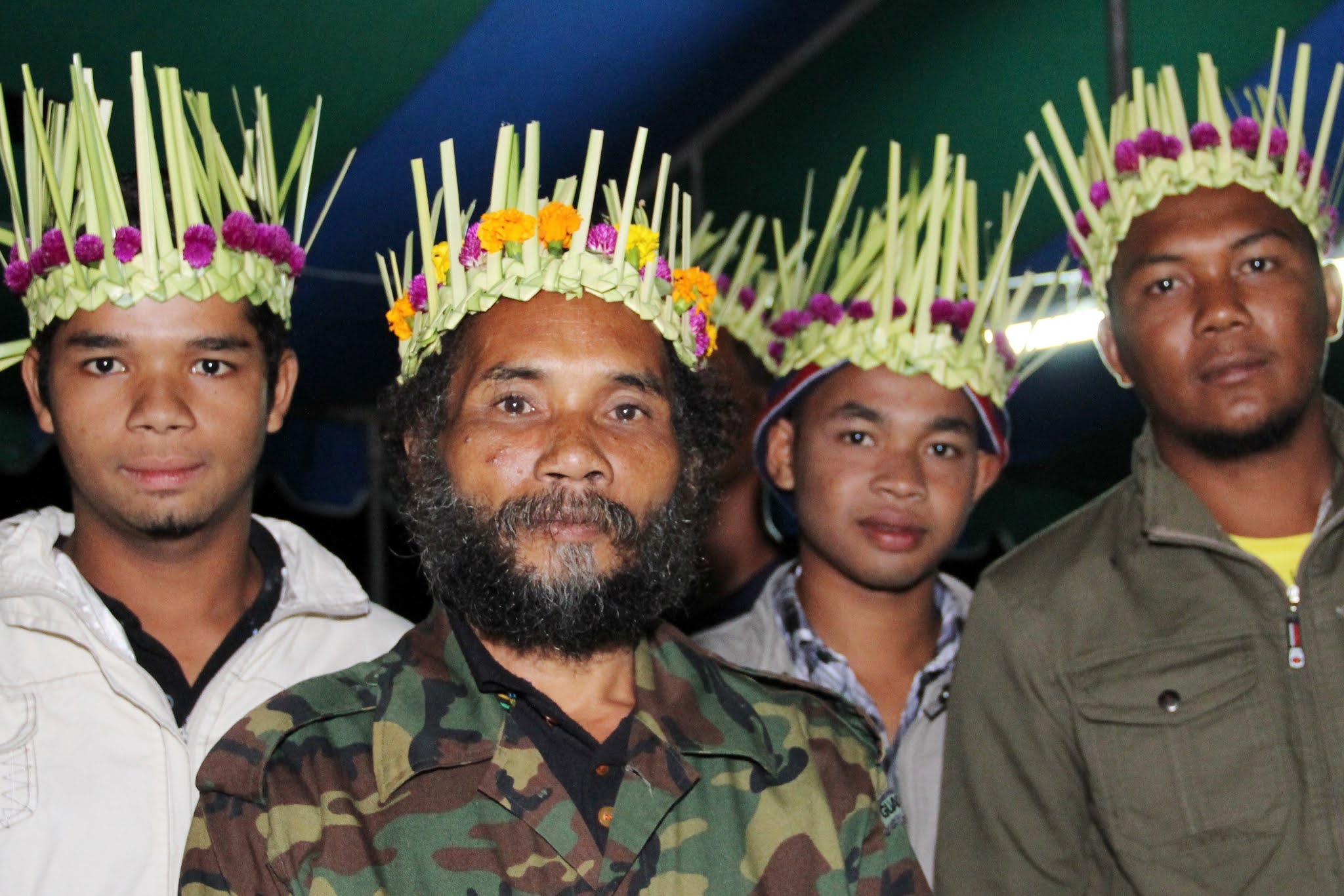
More than 50 Gerik Orang Asli attended the Chulabhorn Village 10 grand dinner function.

More than 50 Gerik Orang Asli attended the Chulabhorn Village 10 grand dinner function.
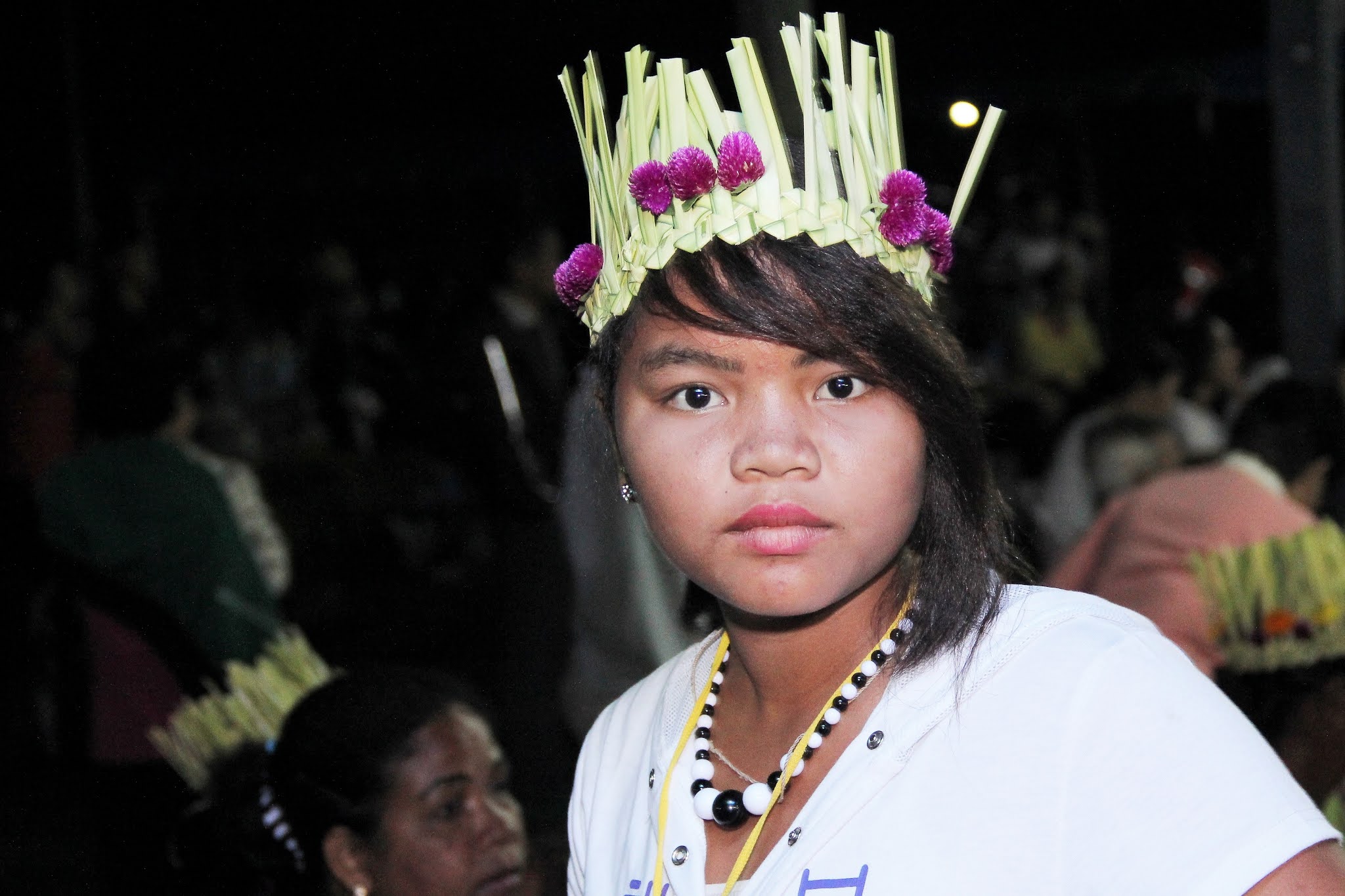
Faces of Orang Asli 4th and 5th generations at Chulabhorn Village 10 grand dinner function.

Faces of Orang Asli 4th and 5th generations at Chulabhorn Village 10 grand dinner function.

Faces of Orang Asli 4th and 5th generations at Chulabhorn Village 10 grand dinner function.

Faces of Orang Asli 4th and 5th generations at Chulabhorn Village 10 grand dinner function.

Faces of Orang Asli 4th and 5th generations at Chulabhorn Village 10 grand dinner function.

Faces of Orang Asli 4th and 5th generations at Chulabhorn Village 10 grand dinner function.

Faces of Orang Asli 4th and 5th generations at Chulabhorn Village 10 grand dinner function.

Oops! This is Ching Neng Bin from Sitiawan, not an Orang Asli.

After dinner it was evening party with cultural shows at Chulabhorn Village 10.

Group singing at Chulabhorn Village 10 evening party and cultural shows.

Stick dance at Chulabhorn Village 10 evening party and cultural shows.

Anniversary cake dance performed by two former comrades at Chulabhorn Village 10 evening party.

Orang Asli and Thai dancing at Chulabhorn Village 10 evening party and cultural shows.

Orang Asli and Thai dancing at Chulabhorn Village 10 evening party and cultural shows.

Orang Asli singing performance at Chulabhorn Village 10 evening party.

Orang Asli singing performance at Chulabhorn Village 10 evening party.

Orang Asli singing performance at Chulabhorn Village 10 evening party.

Orang Asli singing performance at Chulabhorn Village 10 evening party.

Orang Asli singing performance at Chulabhorn Village 10 evening party.
Day 3 (21.08.2011) Chulabhorn Village 10 to Betong to Sitiawan
Another durian breakfast at 7.30am before attending a ceremony in a nearby hill in paying tribute to the dead comrades during the war. A durian orchard owner invited us to pick durians to be taken home. Came back to the village restaurant for a cup of coffee and drove to another jungle campsite nearby to see the biggest tree in Thailand.
Another durian breakfast at 7.30am before attending a ceremony in a nearby hill in paying tribute to the dead comrades during the war. A durian orchard owner invited us to pick durians to be taken home. Came back to the village restaurant for a cup of coffee and drove to another jungle campsite nearby to see the biggest tree in Thailand.
We then left the Village to Betong for lunch and shopping. Some of us went for the ancient body massage at the Sri Betong Hotel. We left Betong at 3.30pm for Sitiawan.

Another durian breakfast at 7.30am before attending a ceremony in a nearby hill in paying tribute to the dead comrades during the war.

En Aziz Suriani has a blog on the MCP. Oral history activist, Aziz Suriani described Malaysian history as "a lady covered in make-up" by the ruling class in that it confused the nation, generation after generation. "When Chin Peng's role in history is told by the working class, he's a fighter against European imperialism and fascism. But to the ruling class he was seen as a threat to their political interest."

Lao Chiang (Tang Ah Chee) came to see us at breakfast time before attending a ceremony in a nearby hill.
 Affandi Au Heng Fong 81, from Tapah, Perak, joined the Malayan People’s Anti-Japanese Army (MPAJA) as a teenager following the Japanese invasion in 1942. Au Heng Fong, who speaks fluent Malay, stopped school after primary 2. He spent nearly a decade fighting with the CPM’s 10th Regiment, which had many Malay fighters, during which time he said he had learned everything from politics to economy.
Affandi Au Heng Fong, who fought alongside Chin Peng spoke fondly of him. "Chin Peng loves the country. His last words were even written in Bahasa Melayu." Au, who now resides in Ipoh, condemns the government for portraying Chin in bad light. "If Chin hadn't led the CPM to defeat the Japanese army, would Malaya have still gained its independence?" Au joked that the government feared Chin Peng, even after he turned to ashes. "The PM says Chin doesn't have documents to prove his citizenship. I didn't have any of those after I came out from the fighting, how come I still got to return to Malaysia? "The government did not uphold the peace agreement," Au charged, in reference to the Hatyai Peace Accord. Signed on Dec 2, 1989 it was signed between Malaya, Thailand and the CPM. The accord enabled communists who surrendered their weapons to return to their homeland.

The guard post to the Chulabhorn Village 10.
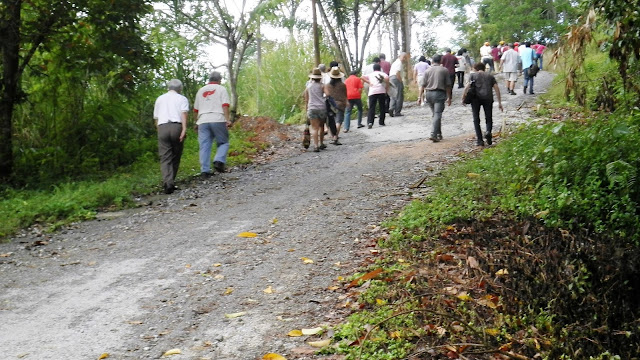
Walking up the hill for attending a ceremony in paying tribute to the dead comrades during the war.

Walking up the hill for attending a ceremony in paying tribute to the dead comrades during the war.

Walking up the hill for attending a ceremony in paying tribute to the dead comrades during the war.


Ching Neng Bin did a jumping shot photo with the fantastic backdrop at Chulabhorn Village 10. The credit goes to our camera man Boss Ng who position his camera low to the ground and point it skywards to get the most effective framing.

Ching Neng Bin did a jumping shot photo with the fantastic backdrop at Chulabhorn Village 10. The credit goes to our camera man Boss Ng who position his camera low to the ground and point it skywards to get the most effective framing.

At Chulabhorn Village 10, a durian orchard owner invited us to pick durian to be taken home.

At Chulabhorn Village 10, a durian orchard owner invited us to pick durian to be taken home.

At Chulabhorn Village 10, a durian orchard owner invited us to pick durian to be taken home.

At Chulabhorn Village 10, a durian orchard owner invited us to pick durian to be taken home.

At Chulabhorn Village 10, a durian orchard owner invited us to pick durian to be taken home.

Many thanks to the durian orchard owner for inviting us to pick durian to be taken home at Chulabhorn Village 10.

An old jungle campsite of former MCP guerrillas at Chulabhorn Village 10.

An old jungle campsite of former MCP guerrillas at Chulabhorn Village 10.

An old jungle campsite of former MCP guerrillas at Chulabhorn Village 10.

A good trek for mountain bikers at Chulabhorn Village 10 jungle campsite.

A long millipede at Chulabhorn Village 10 jungle campsite.

The trek to the biggest tree at Chulabhorn Village 10 jungle campsite.

This is the biggest tree at Chulabhorn Village 10 jungle campsite.

This is the biggest tree at Chulabhorn Village 10 jungle campsite.

Ching Neng Bin at the biggest tree at Chulabhorn Village 10 jungle campsite.

Some of us went for the ancient body massage at the Sri Betong Hotel before departing Betong at 3.30pm for Sitiawan.

The fee is RM30 an hour for this ancient body massage.

The fee is RM30 an hour for this ancient body massage.

On the road home we stopped at Sun Kong restaurant (Tel: 05-7981480) Kampung Baru Ayer Kala for dinner.

On the road home we stopped at Sun Kong restaurant (Tel: 05-7981480) Kampung Baru Ayer Kala for dinner.

Had dinner at Sun Kong restaurant (Tel: 05-7981480) Kampung Baru Ayer Kala before heading home.

The best fresh water fish available in Kampung Baru Ayer Kala.

A nice sunset by the time we reached home at 8pm.

Another durian breakfast at 7.30am before attending a ceremony in a nearby hill in paying tribute to the dead comrades during the war.
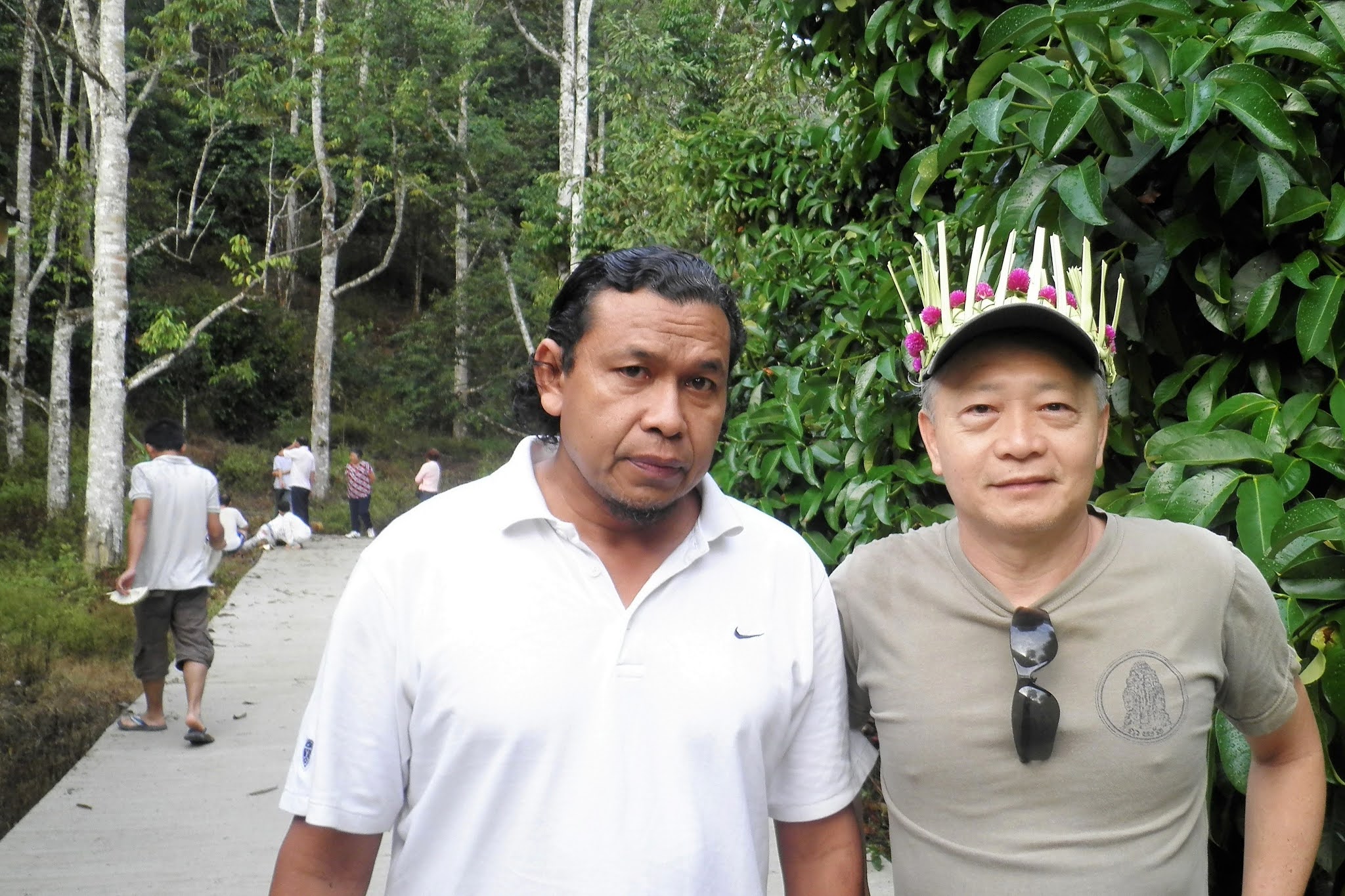
En Aziz Suriani has a blog on the MCP. Oral history activist, Aziz Suriani described Malaysian history as "a lady covered in make-up" by the ruling class in that it confused the nation, generation after generation. "When Chin Peng's role in history is told by the working class, he's a fighter against European imperialism and fascism. But to the ruling class he was seen as a threat to their political interest."

Lao Chiang (Tang Ah Chee) came to see us at breakfast time before attending a ceremony in a nearby hill.
 Affandi Au Heng Fong 81, from Tapah, Perak, joined the Malayan People’s Anti-Japanese Army (MPAJA) as a teenager following the Japanese invasion in 1942. Au Heng Fong, who speaks fluent Malay, stopped school after primary 2. He spent nearly a decade fighting with the CPM’s 10th Regiment, which had many Malay fighters, during which time he said he had learned everything from politics to economy.
 Affandi Au Heng Fong, who fought alongside Chin Peng spoke fondly of him. "Chin Peng loves the country. His last words were even written in Bahasa Melayu." Au, who now resides in Ipoh, condemns the government for portraying Chin in bad light. "If Chin hadn't led the CPM to defeat the Japanese army, would Malaya have still gained its independence?" Au joked that the government feared Chin Peng, even after he turned to ashes. "The PM says Chin doesn't have documents to prove his citizenship. I didn't have any of those after I came out from the fighting, how come I still got to return to Malaysia? "The government did not uphold the peace agreement," Au charged, in reference to the Hatyai Peace Accord. Signed on Dec 2, 1989 it was signed between Malaya, Thailand and the CPM. The accord enabled communists who surrendered their weapons to return to their homeland.

The guard post to the Chulabhorn Village 10.

Walking up the hill for attending a ceremony in paying tribute to the dead comrades during the war.

Walking up the hill for attending a ceremony in paying tribute to the dead comrades during the war.

Walking up the hill for attending a ceremony in paying tribute to the dead comrades during the war.

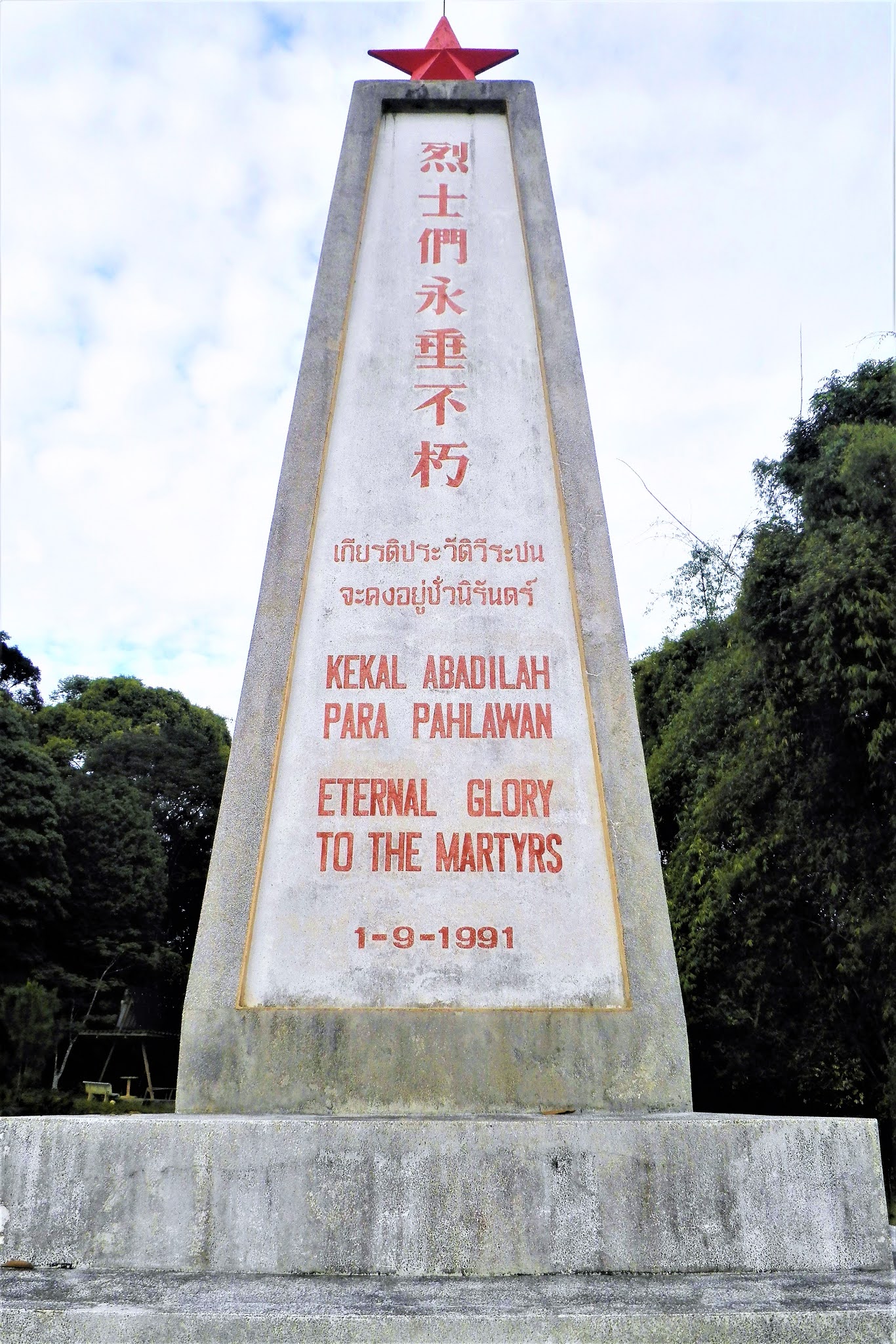


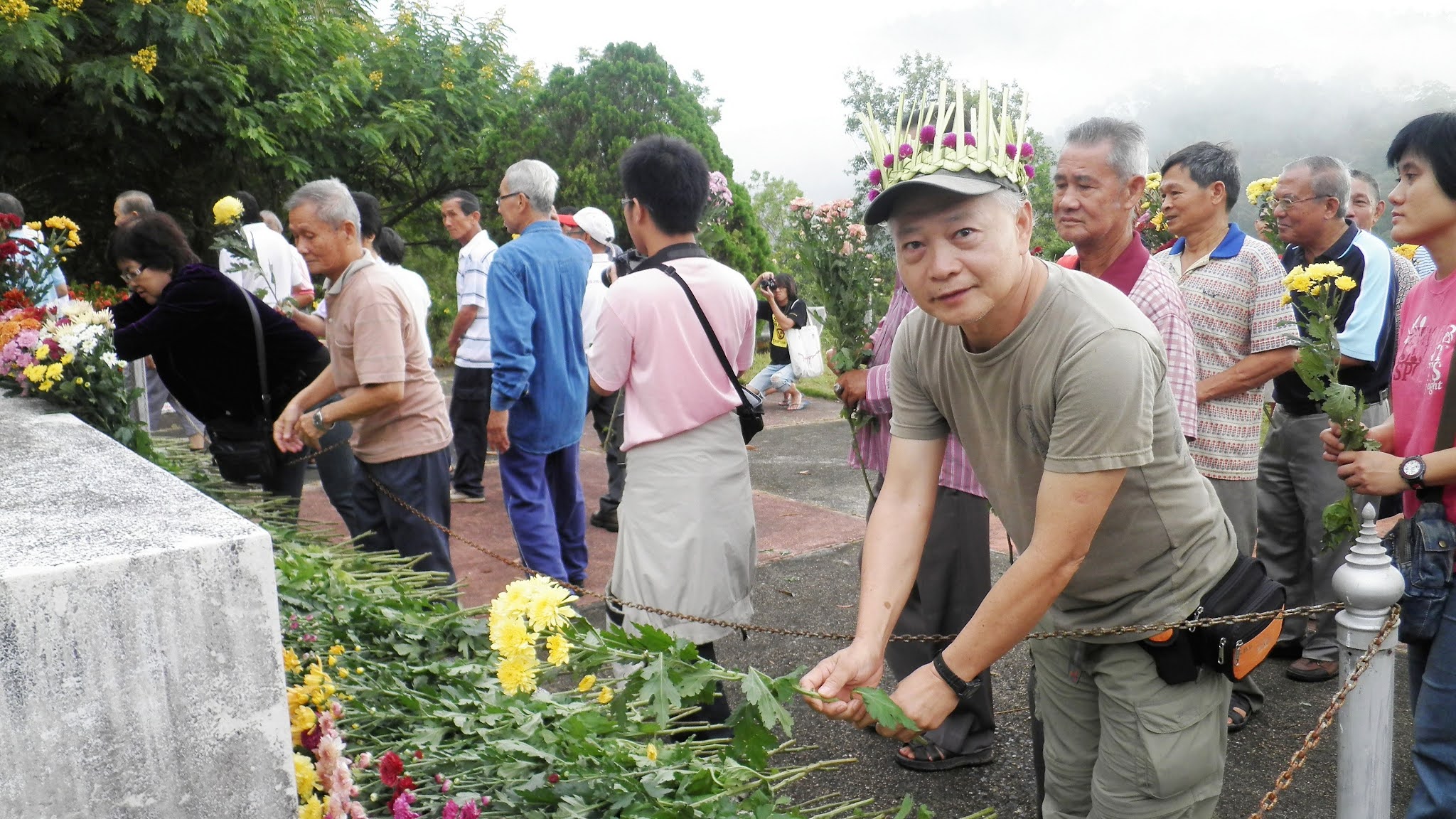

Ching Neng Bin did a jumping shot photo with the fantastic backdrop at Chulabhorn Village 10. The credit goes to our camera man Boss Ng who position his camera low to the ground and point it skywards to get the most effective framing.

Ching Neng Bin did a jumping shot photo with the fantastic backdrop at Chulabhorn Village 10. The credit goes to our camera man Boss Ng who position his camera low to the ground and point it skywards to get the most effective framing.

At Chulabhorn Village 10, a durian orchard owner invited us to pick durian to be taken home.

At Chulabhorn Village 10, a durian orchard owner invited us to pick durian to be taken home.

At Chulabhorn Village 10, a durian orchard owner invited us to pick durian to be taken home.

At Chulabhorn Village 10, a durian orchard owner invited us to pick durian to be taken home.

At Chulabhorn Village 10, a durian orchard owner invited us to pick durian to be taken home.

Many thanks to the durian orchard owner for inviting us to pick durian to be taken home at Chulabhorn Village 10.

An old jungle campsite of former MCP guerrillas at Chulabhorn Village 10.

An old jungle campsite of former MCP guerrillas at Chulabhorn Village 10.

An old jungle campsite of former MCP guerrillas at Chulabhorn Village 10.

A good trek for mountain bikers at Chulabhorn Village 10 jungle campsite.

A long millipede at Chulabhorn Village 10 jungle campsite.

The trek to the biggest tree at Chulabhorn Village 10 jungle campsite.

This is the biggest tree at Chulabhorn Village 10 jungle campsite.

This is the biggest tree at Chulabhorn Village 10 jungle campsite.

Ching Neng Bin at the biggest tree at Chulabhorn Village 10 jungle campsite.

Some of us went for the ancient body massage at the Sri Betong Hotel before departing Betong at 3.30pm for Sitiawan.

The fee is RM30 an hour for this ancient body massage.

The fee is RM30 an hour for this ancient body massage.

On the road home we stopped at Sun Kong restaurant (Tel: 05-7981480) Kampung Baru Ayer Kala for dinner.

On the road home we stopped at Sun Kong restaurant (Tel: 05-7981480) Kampung Baru Ayer Kala for dinner.

Had dinner at Sun Kong restaurant (Tel: 05-7981480) Kampung Baru Ayer Kala before heading home.

The best fresh water fish available in Kampung Baru Ayer Kala.

A nice sunset by the time we reached home at 8pm.
Total expenses for the 3day outing was RM150 pp.
==============================================
Ching Chee Ming - my father’s history
==============================================
Ching Chee Ming - my father’s history

Family members photo taken in 1995 on my father's birthday dinner.
R-L Sitting: Ching Chee Ming, mother, Goh Hong Siang. Center row: Ching Jin Wei
Back row: Judith Khoo and daughter, Ching Neng Shyan, Ching Bee Geok, Catherine Oon, Ching Neng Bin

1943 - Ching Chee Ming's school leaving certificate.
My father Ching Chee Ming was born on 29.05.1925 in Kampong Koh, Sitiawan, Perak.
He was raised by my great grandparents in Simpang Tiga or Pekan Gurney in the district of Dindings.
In 1943 he was studying in 1st Year Senior Class at Nan Hwa High Schol, Sitiawan when the Second World War broke out. At the young age of 19 in 1944, he joined the Malayan People’s Anti-Japanese Army (MPAJA 马来亚人民抗日军) for 2 years after a class mate of his was killed by the Japanese Forces.

1945 - Ching Chee Ming was discharged from his British Guerrilla Force 136.

1945 - Ching Chee Ming was discharged from his British Guerrilla Force 136.
The Discharge Certificate dated 8th December 1945.

1949 - Ching Chee Ming at aged 24 in his jungle squad uniform.

1949 - Ching Chee Ming at aged 24 in his jungle squad uniform.
At the young age of 22, in 1947 he joined the Auxiliary Police Force on a voluntary basis and was involved in the jungle operations then carried out by the Police Jungle Squad. He later became a full-time Special Constable (S.C. Corporal No.33467) with the Police Jungle Squad from 1.4.1949 to 31.3.1950. In 1950, he was transferred to the Special Branch Department where he served for the next 23 years till his retirement as a Detective Sergeant (D.S. No.93/Special Branch) in 1973.

1951 - Ching Chee Ming seated second from left with his jungle squad members.

1952 - Ching Chee Ming seated second from right at the Sitiawan police station.

27.5.1953 - Ching Chee Ming received the Letter of Commendation from W.L.R. Carbonell the Commissioner of Police, Federation of Malaya.

27.5.1953 - Ching Chee Ming received the Letter of Commendation from W.L.R. Carbonell the Commissioner of Police, Federation of Malaya.

27.5.1953 - The press release on Ching Chee Ming in the local Chinese newspaper.

27.5.1953 - Letter of Commendation from Commissioner of Police, Federation of Malaya, Kuala Lumpur

30.11.1963 - A portrait of Ching Chee Ming by his good friend See Cheen Tee.

1966 - (middle row) Ching Chee Ming standing 4th from left with Pasokan Hutan Perak.

31.3.1973 - Ching Chee Ming at age 45 retired and was discharged from the police force.


1983 - Ching Chee Ming was interviewed by Tong Pao newspaper about his involvement in Force 136.

Letter of Appreciation from the Malaysian Government in 1994 and received RM1,000.00


Appreciation letter from Secretary General, Interior Ministry of Malaysian Government.

1951 - Ching Chee Ming seated second from left with his jungle squad members.

1952 - Ching Chee Ming seated second from right at the Sitiawan police station.

27.5.1953 - Ching Chee Ming received the Letter of Commendation from W.L.R. Carbonell the Commissioner of Police, Federation of Malaya.

27.5.1953 - Ching Chee Ming received the Letter of Commendation from W.L.R. Carbonell the Commissioner of Police, Federation of Malaya.

27.5.1953 - The press release on Ching Chee Ming in the local Chinese newspaper.

27.5.1953 - Letter of Commendation from Commissioner of Police, Federation of Malaya, Kuala Lumpur

30.11.1963 - A portrait of Ching Chee Ming by his good friend See Cheen Tee.

1966 - (middle row) Ching Chee Ming standing 4th from left with Pasokan Hutan Perak.

31.3.1973 - Ching Chee Ming at age 45 retired and was discharged from the police force.


1983 - Ching Chee Ming was interviewed by Tong Pao newspaper about his involvement in Force 136.

Letter of Appreciation from the Malaysian Government in 1994 and received RM1,000.00


Appreciation letter from Secretary General, Interior Ministry of Malaysian Government.
In the course of the service, he was sent to the following places between the years 1950 and 1973:-
01.06.1950 - Sitiawan, Perak
01.04.1953 - Kroh, Perak
23.09.1953 - Sitiawan, Perak
25.10.1958 - Lumut, Perak
01.12.1963 - Teluk Intan, Perak
01.06.1950 - Sitiawan, Perak
01.04.1953 - Kroh, Perak
23.09.1953 - Sitiawan, Perak
25.10.1958 - Lumut, Perak
01.12.1963 - Teluk Intan, Perak
31.03.1973 - Ching Chee Ming at age 45 retired and was discharged from the Federation of Malaya Police Force.
- Abdullah CD (MCP Chairman)
- Chin Peng (MCP Secretary General)
- Rashid Maidin (MCP Central Committee Member)
- Pekan Gurney
- The Jungle Is Neutral
- Batang Kali Massacre 1948
- Malayan Emergency 1948-1960
- Malayan Communist Party (MCP)
- Peace Agreement of Hat Yai (1989)
- Malayan Peoples' Anti-Japanese Army (MPAJA)
- Forum addresses if Chin Peng was hero or villain
- Tun Ibrahim Ismail: The last of the Malay Force 136
- Force 136: story of a WWII resistance fighter By Tan Chong Tee
Why we stay here, even when we love home || Kampung Chulaborn 12, or Ban Chulaborn Patana 12, in Thailand is no ordinary village. It is located deep in a jungle with the nearest town Shukirin about an hour's drive.
The residents of this village are also a group of 'special visitors of the Thai government' for they are all members of the 10th Regiment of the Communist Party of Malaya (CPM).
This village used to be their base camp and after the 1989 peace agreement between the CPM, the Thai government and the Malaysian government, these former members of the party were permitted to remain living there.
About 20 veteran communist leaders, all peers of Abdullah, are still living in this village. Almost all of them were from Malaya originally. They had joined the 10th Regiment in May 1949 and then moved to the Thai-Malaya border in 1953, to remain in the jungles until the peace deal was signed in 1989. But why didn't these former guerrilla fighters return to their homeland?
As far as Anas Abdullah can recall, the Malaysian government had violated the 1989 Hatyai Peace Treaty in many ways, including continuously calling ex-CPM members as 'terrorists'. He said he felt obliged to tell the truth as he is now the last surviving CPM veteran who had taken part in the Hatyai Peace Treaty negotiation.
10 Tahun Sebelum Merdeka (2007) - October 20th, 1947 was a historical day in the rakyat's constitutional struggle for independence from British colonialism. This documentary chronicles the events that culminated in the Malaya-wide 'Hartal' day of protest against the undemocratic Federation of Malaya Constitutional Proposals devised by the British Colonial Government and the UMNO, and the rise of the people's democratic movement in Malaya, 10 years before Merdeka.
///

